Signs Of A Brain Tumour In Child - Understanding Brain Tumors : Some children may ignore or not recognize symptoms of illness.. A head that grows extremely fast a bulging, fuller soft spot (fontanel) on the head in babies changes in intellectual and/or physical abilities Most commonly, children present with symptoms. Surgery to remove a pediatric brain tumor carries risks, such as infection and bleeding. This information is about primary brain tumours. Seizures endocrine problems (diabetes and/or hormone regulation) visual changes or double vision headaches paralysis of nerves/muscles of the face, or half of the body
Key points about a brain tumor in a child. The most common symptoms are caused by an increase in pressure in the skull (intracranial pressure) caused by the growth of a tumour in the brain. Signs and symptoms of brain and spinal cord tumors in children signs and symptoms from brain and spinal cord tumors might occur gradually and become worse over time, or they can happen suddenly, such as with a seizure. Headache and vomiting are the commonest symptoms of brain tumour in older children. Childhood brain tumour survivors are 10 times more likely to suffer.
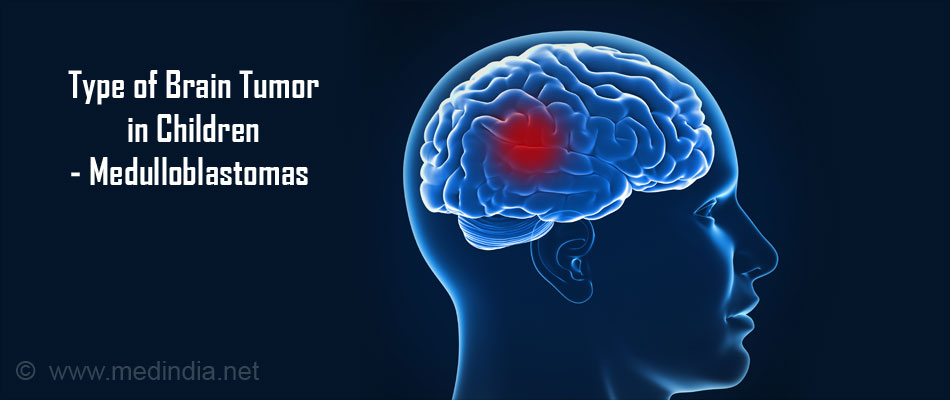
Brain Tumor in Children - Types, Causes, Symptoms ... from www.medindia.net Problems speaking clearly, swallowing, or walking You can detect brain tumor in your child with the help of some signs and symptoms. Brain tumours are the largest cause of preventable or treatable blindness in children. Most commonly, children present with symptoms. Here are 7 early signs of a brain tumor to never ignore. The most common symptoms include: This information is about primary brain tumours. Some of the more common symptoms of a brain tumor in children include:
Symptoms of brain tumors in the brainstem (base of brain) may include:
In addition to general symptoms, babies and toddlers with brain tumors also may experience: The early signs of brain tumor in children may be as simple as headache and vomiting. It is a pivotal moment for our world, our nation, and our brain tumor community. The following article provides information about the various symptoms of this condition. The average time to diagnosis of brain tumours in children is 6.9 weeks. Headsmart works to raise awareness of the common signs and symptoms of a brain tumour in babies, children and teenagers. Those that grow in infants and children are very different from those in adults. We are used to taking a painkiller and getting on with. There are two main types of visual abnormality to look out for when looking for signs of a brain tumour in children: The symptoms and signs of a brain tumor in teenagers may vary based on the tumor's size, location, type, and how it affects the messages sent by that particular part of the brain to the other parts. Here are 7 early signs of a brain tumor to never ignore. Brain tissue dysfunction caused by a growing tumor may cause other symptoms, depending on the tumor's location. Treatment for a brain tumor could involve surgery, chemotherapy, radiation or all three.
We are used to taking a painkiller and getting on with. Other risks may depend on the part of your child's brain where the tumor is located. The symptoms and signs of a brain tumor in teenagers may vary based on the tumor's size, location, type, and how it affects the messages sent by that particular part of the brain to the other parts. Brain tissue dysfunction caused by a growing tumor may cause other symptoms, depending on the tumor's location. The symptoms of a brain tumour will depend upon which part of the brain is affected.
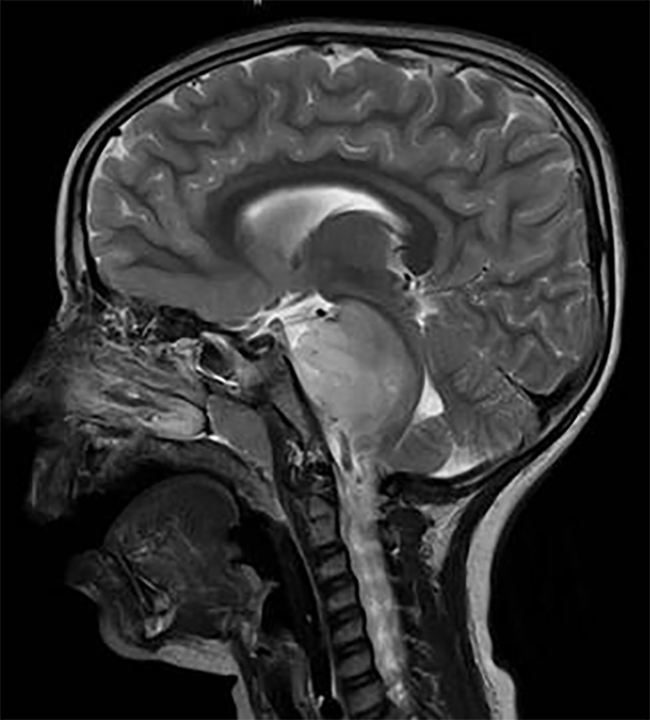
Early Detection of Brain Tumors- treatments of cancer from www.treatmentsofcancer.com Abnormal eye movements such as eyes looking like they are flicking, wobbly or quivering. The symptoms of a brain tumour will depend upon which part of the brain is affected. There are two main types of visual abnormality to look out for when looking for signs of a brain tumour in children: Problems speaking clearly, swallowing, or walking Tumors at the base of the brain often cause headaches, vomiting, and behavioral changes because they block the normal passage of cerebrospinal fluids, causing the pressure within the head to rise. Brain tumors in children almost always originate in the base of the brain near the brainstem. These will depend on the size of the tumour, where it is and how it affects that part of the brain. Other children may be too young to communicate them.
For instance, surgery on a tumor near nerves that connect to the eyes may carry a risk of vision loss.
Headache and vomiting are the commonest symptoms of brain tumour in older children. Abnormal eye movements such as eyes looking like they are flicking, wobbly or quivering. Your child may have any of the following: The symptoms of a pediatric brain tumor vary according to the size, type and location of the tumor. Brain tumors start in the cells of the brain. In children, metastatic brain tumors are much less common than primary brain tumors. Join david arons, ceo of the national brain tumor society, and the entire brain tumor community for an update on the progress we have made in the fight to conquer and cure brain tumors, and the critical work that lies ahead in 2021. This is the most often dismissed symptom of brain cancer, just because it is so prevalent in daily life. Headaches, which may become more frequent and more severe feeling of increased pressure in the head unexplained nausea or vomiting Symptoms from pediatric brain tumors vary widely, depending upon the tumor's location and size. The skull has only a limited amount of space in which the brain is located. Symptoms may occur when a tumor presses on a nerve or damages certain parts of the brain. Brain tumours are the largest cause of preventable or treatable blindness in children.
Tumors at the base of the brain often cause headaches, vomiting, and behavioral changes because they block the normal passage of cerebrospinal fluids, causing the pressure within the head to rise. Childhood brain tumour survivors are 10 times more likely to suffer. You can detect brain tumor in your child with the help of some signs and symptoms. Symptoms may occur when a tumor presses on a nerve or damages certain parts of the brain. The most common symptoms are caused by an increase in pressure in the skull (intracranial pressure) caused by the growth of a tumour in the brain.
Potential Treatment Strategies for DIPG Brain Tumors ... from www.cancer.gov Brain tumours are the largest cause of preventable or treatable blindness in children. Signs and symptoms will depend on the kind of tumor your child has, and where it is in the brain. If your baby, child or teenager's growth stops or is delayed this can be a sign of a brain tumour. There are two main types of visual abnormality to look out for when looking for signs of a brain tumour in children: Those that grow in infants and children are very different from those in adults. Signs of brain tumor in children. Symptoms may include headaches, nausea and seizures. Here are 7 early signs of a brain tumor to never ignore.
Those that grow in infants and children are very different from those in adults.
A headache is one of the most common symptoms of a brain tumor. Your child may have any of the following: Headsmart works to raise awareness of the common signs and symptoms of a brain tumour in babies, children and teenagers. From the base, or bottom, of the brain, the tumor often spreads down the cervical spinal column. The most common symptoms are caused by an increase in pressure in the skull (intracranial pressure) caused by the growth of a tumour in the brain. Brain tumor in children pediatric brain tumors are masses of abnormal growth that occur in the brain or the in tissues and structures that are near to it. They can be cancerous or noncancerous. The following article provides information about the various symptoms of this condition. The early signs of brain tumor in children may be as simple as headache and vomiting. Brain tumors can grow at any age. Key points about a brain tumor in a child. Signs of brain tumor in children. Such tumors, such as an ependymoma, often cause neck and head pain.